A structured method for transforming interiors with clarity, discipline, and strategic oversight.
Great design does not happen through guesswork. Adorn follows a defined project lifecycle that helps clients move from inquiry to concept, procurement, implementation, and closeout with clear expectations, better alignment, and stronger decision quality.





Structure protects the outcome.
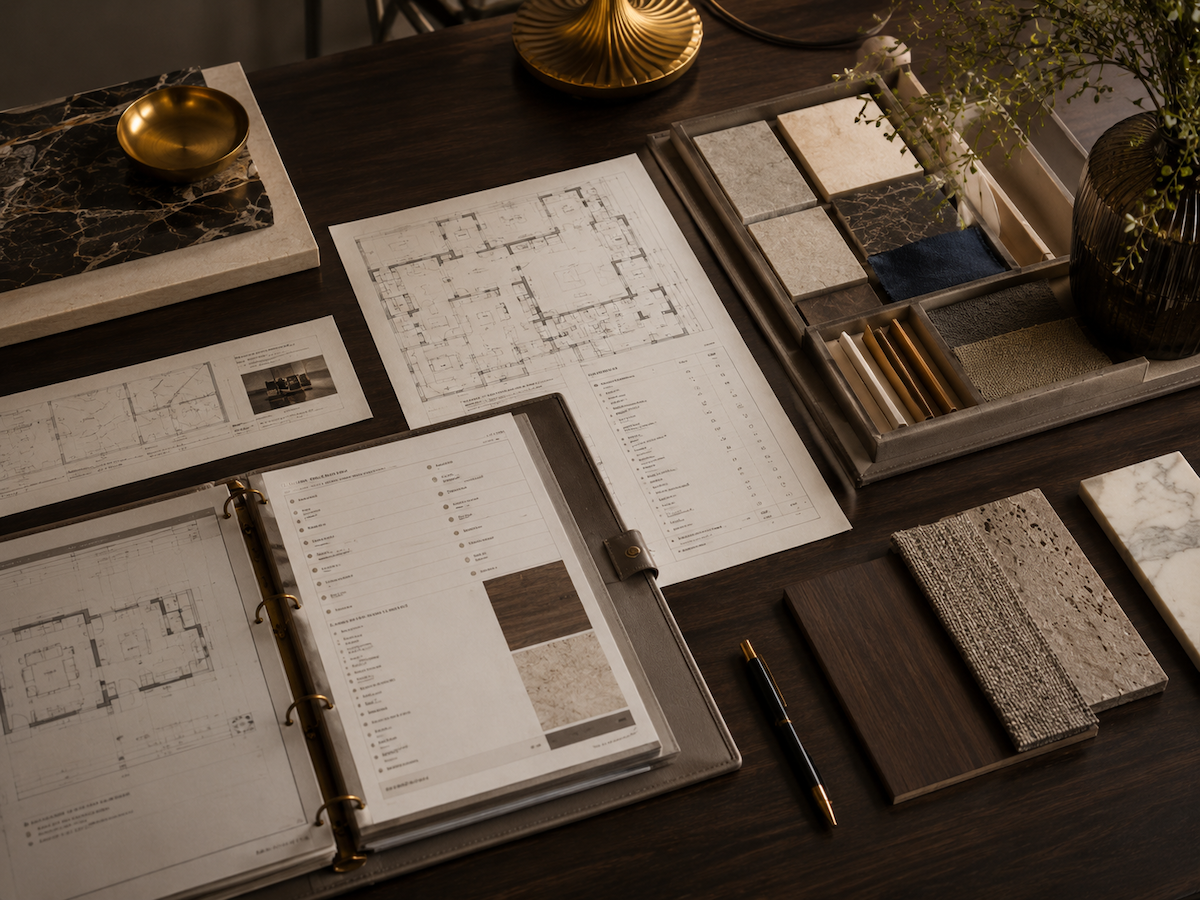
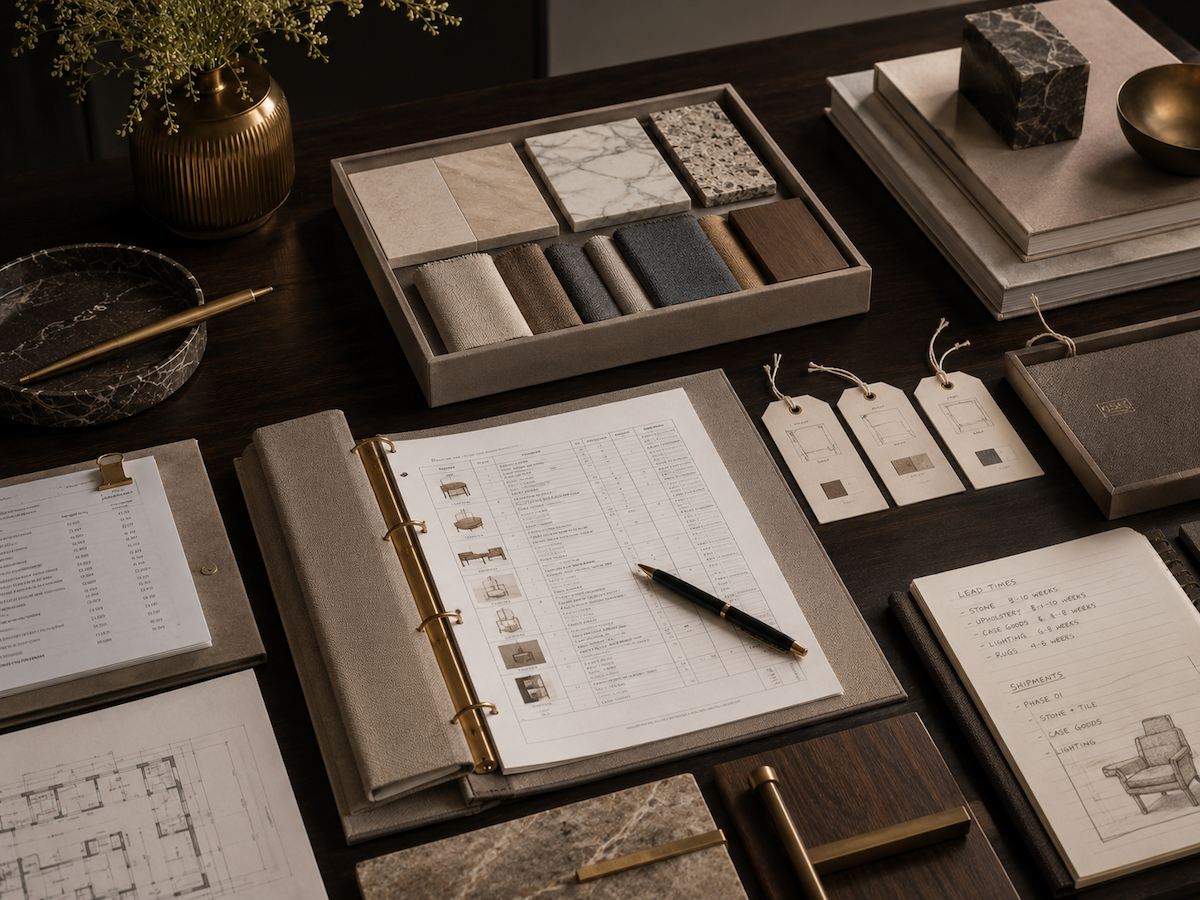
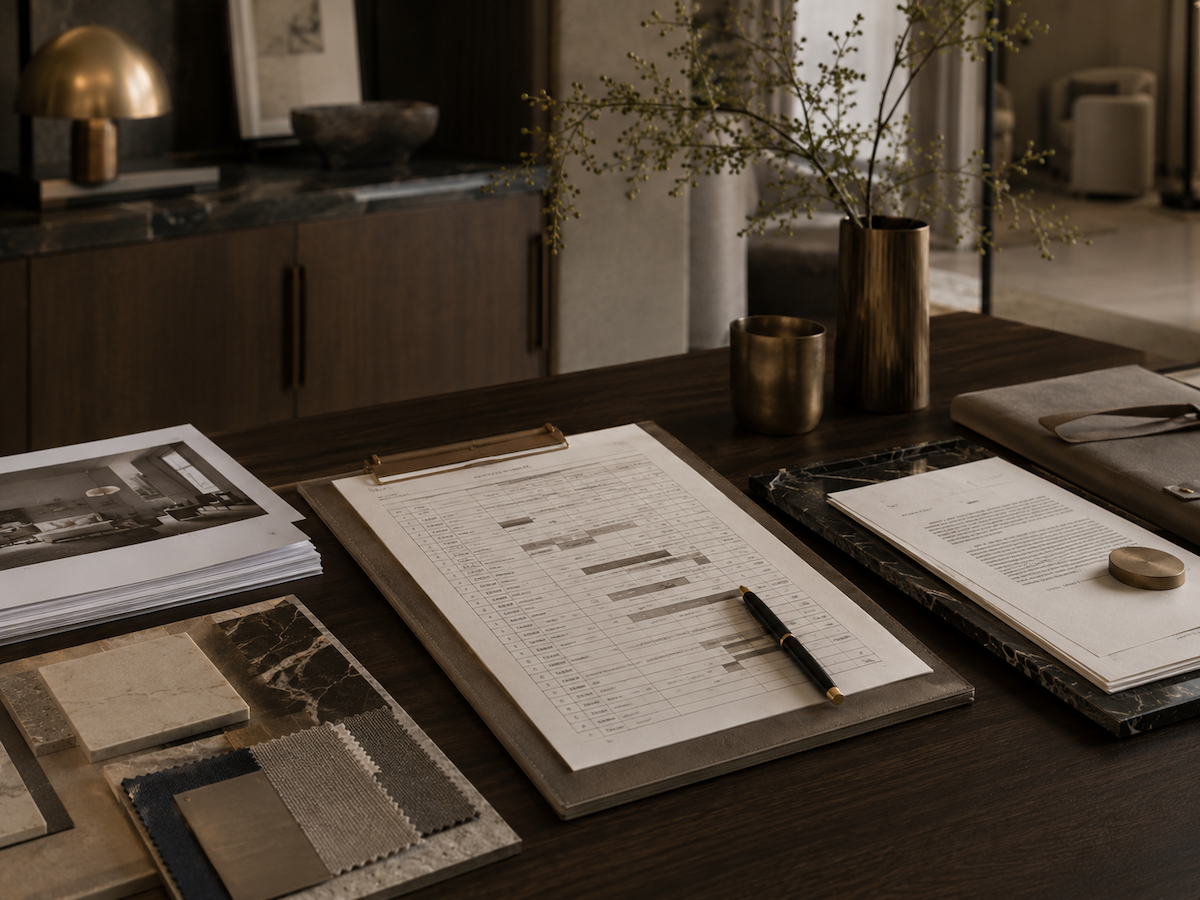
The Adorn Protocol exists because strong projects require more than taste. They require clarity around scope, roles, investment, sequencing, procurement, communication, and implementation. A structured process reduces avoidable confusion, improves decision quality, and gives the client a more stable experience from the beginning of the engagement through closeout.
Strategic Intake
We begin by understanding the property, priorities, decision-makers, goals, constraints, and desired level of support. This stage is designed to surface what matters most before assumptions shape the project.
Initial project information is gathered, including property type, location, use, timing, scope intentions, decision structure, and overall objectives. This stage creates the first layer of clarity around what the project is actually trying to achieve.
Strong design work starts with the right inputs. Strategic intake helps prevent misalignment later by clarifying the real goals, not just the visible symptoms of the space.
Fit & Feasibility Review
We evaluate whether the project is aligned with the firm’s capabilities, timeline, budget expectations, and execution needs. Not every project is a fit, and not every project is ready to move forward at the same pace.
Adorn reviews the project for strategic fit, practical feasibility, timing, location, level of support required, and whether the work can be executed responsibly within the client’s intended framework.
Fit review protects both the client and the project. It reduces the risk of beginning work under unrealistic conditions or unclear expectations.
Scope Definition
We clarify the work, responsibilities, deliverables, exclusions, sequencing, and level of principal-led involvement required. This transforms a broad project idea into a defined engagement framework.
Rooms, spaces, or property areas are defined. Adorn outlines what the engagement includes, what it does not include, and what type of support the project calls for.
Undefined scope leads to decision fatigue, confusion, and project drift. Scope definition brings shape and discipline to the work before it deepens.
Investment Alignment
We align the design direction and project ambition with realistic investment expectations before deeper work begins. This stage helps prevent a disconnect between what is imagined and what can actually be supported.
Investment expectations are evaluated in relation to scope, property conditions, procurement needs, material priorities, implementation requirements, and timeline demands.
Investment alignment gives the project a realistic operating boundary. It also improves decision-making by establishing priorities before detailed selections begin.
Concept Direction
We establish the visual, functional, and strategic direction for the interiors, materials, finishes, and spatial experience. This is where the project begins to take clear shape.
Design language, materiality, color relationships, furnishing direction, finishes, and atmosphere are clarified so the project has a coherent framework rather than a series of isolated decisions.
Concept direction creates internal logic. It makes later decisions easier because each choice can be measured against an agreed design framework.
Procurement Strategy
We organize sourcing, specifications, purchasing priorities, lead times, vendor coordination, and procurement decisions. This stage brings greater order to the path from approved selections to implementation.
Adorn structures how furnishings, materials, lighting, finishes, and related project elements will be specified, prioritized, tracked, and coordinated with the broader needs of the project.
Procurement is where many projects lose momentum or clarity. Strategy at this stage helps reduce confusion, missed priorities, and unnecessary friction during execution.
Project Stewardship
We support implementation through structured oversight, coordination, communication, and disciplined decision management. This is where design intent must be protected while the work moves into reality.
Adorn helps guide the project through implementation by supporting communication, tracking decisions, coordinating around responsibilities, and helping the project remain aligned with the approved direction.
Implementation is where a project can either sharpen or unravel. Stewardship creates continuity between concept, procurement, and the actual experience of delivery.
Closeout & Continuity
We bring the project to a clear close with final details, documentation, continuity guidance, and next-step recommendations. The end of a project should feel resolved, not uncertain.
Final details are reviewed, closeout considerations are addressed, and guidance may be provided for continuity, future phases, additional priorities, or long-term care and use.
Closeout reinforces completion, protects the client experience, and prevents the project from ending in ambiguity or fragmented follow-through.
A more stable process creates a better project experience.
The Adorn Protocol is designed to improve clarity, protect the quality of decisions, and create a more organized experience for clients whose homes, environments, or property assets carry real importance.
Clarity
Defined stages create a clearer understanding of what is happening, what is needed, and what comes next.
Alignment
Scope, investment, timing, and priorities are brought into better relationship before the work deepens.
Stewardship
Design intent is supported through a more disciplined process of procurement, coordination, and implementation.
Continuity
The project moves toward closeout with stronger continuity, cleaner transitions, and fewer avoidable gaps.
A framework for disciplined design—not a rigid formula.
Every project is different, but the need for order remains the same. The protocol does not make the work generic. It gives the work structure, so the design can be more thoughtful and the execution more controlled.
Ready to begin with a more structured interior process?
Submit a project inquiry so Adorn can review the scope, timing, location, priorities, and level of support required. Qualified inquiries may be invited to the next stage of discussion.